

Daily Bible Reading and Study Rooted in Scripture Alone
Instant answers to your Bible Questions? Ask me!

September 13
Isaiah 12:1-14:32
2 Corinthians 13:1-14
Psalm 57:1-11
Proverbs 23:9-11
Read Today’s Scripture – Click Here
Click on the Play Button below to Listen to Today’s Scripture
New Testament: 2 Corinthians 13:1–14
Summary: Tested by the Truth, Held by Grace
Paul’s command is searching: “Examine yourselves, whether ye be in the faith; prove your own selves” (2 Corinthians 13:5, KJV). He was writing to people who professed Christ while resisting apostolic correction and allowing sin to remain at home among them. The question was not whether they could recall a religious moment, but whether Christ was truly in them.
That examination does not turn salvation into a work we earn. Scripture says that we are saved “by grace … through faith,” not by works (Ephesians 2:8–9, KJV). We rest our hope in Jesus Christ—His death for sinners and His resurrection—not in how well we have performed. Neither does Paul call genuine believers to a life of panic, as though Christ might abandon those He has saved. “He which hath begun a good work in you will perform it” (Philippians 1:6, KJV).
But grace produces a real response. Christians still battle sin, and none reaches sinless perfection in this life. Yet a believer cannot make peace with known sin or rename it so repentance is unnecessary. Faith receives Christ as Lord as well as Savior; it listens when His Word corrects us. A profession that continually refuses truth needs honest examination, not comforting excuses.
Paul wanted the Corinthians restored, mature, obedient, and at peace—not merely exposed. His aim was their edification (2 Corinthians 13:10). That explains his firm statement: “For we can do nothing against the truth, but for the truth” (2 Corinthians 13:8, KJV). Feelings, preferences, traditions, churches, and popular opinion cannot rewrite what God has spoken. Scripture is true whether we welcome it or resist it, and loving correction must stand on that truth.
The letter ends not with despair but blessing: “The grace of the Lord Jesus Christ, and the love of God, and the communion of the Holy Ghost, be with you all” (2 Corinthians 13:14, KJV). Paul naturally speaks of the Lord Jesus Christ, God, and the Holy Ghost together as he sends these troubled believers forward. The God who calls us to truth is also the God who supplies grace, love, and fellowship for the road of obedience.
Old Testament: Isaiah 12:1–14:32
Isaiah 12 begins with the glad confession, “Behold, God is my salvation; I will trust, and not be afraid” (Isaiah 12:2, KJV). Salvation leads to praise, joy, and the public telling of God’s works. The One who saves becomes the One in whom His people rest.
Then Isaiah turns to judgment on proud nations and rulers. Babylon’s glory, military strength, wealth, and confidence could not secure its future. God raises nations and brings them down according to His purpose. Isaiah 14 is immediately a taunt against the king of Babylon, exposing the collapse of human arrogance in its own setting. The lesson is clear: kingdoms that look permanent are temporary before the Lord. Our security is not in earthly power, but in the God who saves.
Psalm: Psalm 57:1–11
David wrote while danger surrounded him, yet he said, “In the shadow of thy wings will I make my refuge, until these calamities be overpast” (Psalm 57:1, KJV). Refuge in God is not denial that calamities are real. It is confidence that God remains faithful while the danger is still present.
“My heart is fixed, O God, my heart is fixed” (Psalm 57:7, KJV). A fixed heart is not an easy life. It is a settled confidence in God amid family trouble, illness, financial pressure, fear, and uncertainty. David’s circumstances shifted; his God did not.
Proverbs: Proverbs 23:9–11
Proverbs does not excuse us from sharing truth with people who disagree. It teaches discernment when someone has chosen contempt rather than honest consideration. Wisdom is not improved by being thrown into a conversation only to be mocked.
The passage also forbids moving the ancient landmark or exploiting the fatherless. Their “redeemer is mighty; he shall plead their cause” (Proverbs 23:11, KJV). God sees dishonesty in property, business, and every attempt to profit from another person’s weakness. He cares for those who cannot easily defend themselves, and He calls His people to do the same.
Bringing It Together
Truth exposes what is real. Paul calls us to examine whether our profession rests in Christ and submits to His Word. Isaiah shows that proud kingdoms are temporary before God. David finds security in God rather than in stable circumstances. Proverbs warns that God sees contempt for wisdom and injustice toward the vulnerable. Jesus Christ is the Savior in whom faith rests; genuine faith humbly receives His truth and depends on Him.
Discussion Question: If you examined your faith honestly today, would you find that you are trusting Christ and submitting to His Word, or merely carrying the name Christian?
Further Resources
Read what else GotQuestions.org says on biblical self-examination.
Continue reading the Examine Yourself article (PDF). Read the article online.
Overview: 2 Corinthians – Click Here
The Pattern of Sanctification: Authenticity, Part 1
Examine Yourself by Paul Washer
The “I’m Not Responsible” Form
Views: 63




e-Sword Here PC – free bible study software for Windows users.
iPad version is here.
You can listen and read along
Click Here
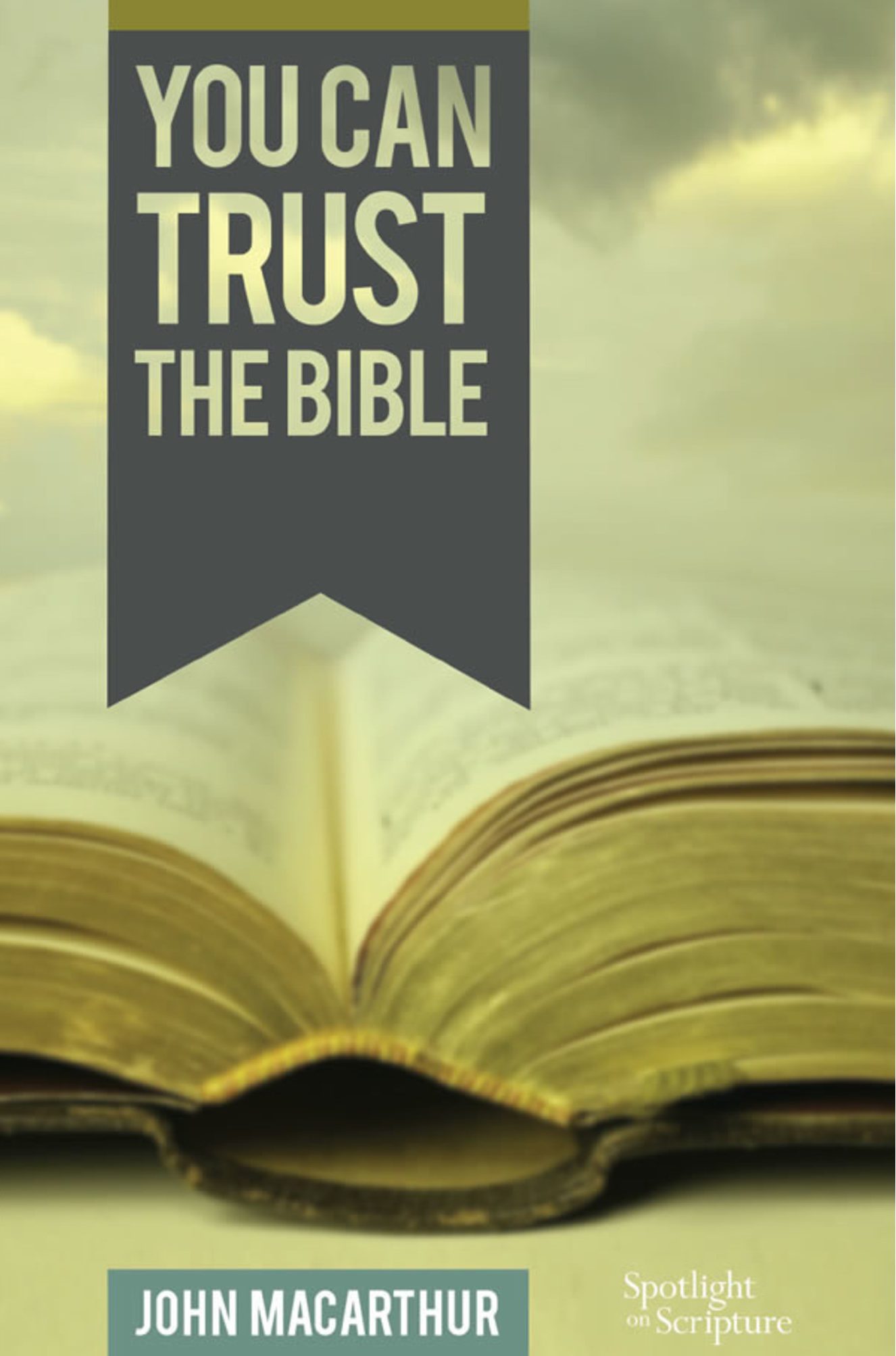
Have you ever considered just how much is riding on your assumption that the Bible you read, study, and take to church is completely accurate?
How Can I Make Daily Bible Reading Authentic?
If you are interested in
Online Internet Evangelism
Click Here
Do-You-Have-Reservations?
Go Through The Bible In A Year
Click on the Read to pull up the bible readings for the day.
Click on the Listen to listen to the audio bible readings for the day.
————————————————–
You Need to Know the Bible for Yourself
Everybody needs to know what the Bible really says: what it says about God, Jesus, the Holy Spirit, salvation and eternity, etc. Don’t depend on what a church or some famous preacher tells you. If you depend on Hollywood, the History Channel, or a magazine for the most important information you will ever need to know. You may end up lost forever not knowing what God has written down for you. He wants you to spend eternity with Him.
You need to know Jesus before you can be saved. The bible is all about who Jesus is and what He has done for you. He has a gift for you and it is completely free. But if you don’t know Him, you will not be in the Kingdom of God with Jesus who gave His very life for you.
“Not everyone who says to Me, ‘Lord, Lord,’ will enter the kingdom of heaven, but he who does the will of My Father who is in heaven will enter. “Many will say to Me on that day, ‘Lord, Lord, did we not prophesy in Your name, and in Your name cast out demons, and in Your name perform many miracles?’ “And then I will declare to them, ‘I never knew you; DEPART FROM ME, YOU WHO PRACTICE LAWLESSNESS.’ ~ Matthew 7:21-23
There is an absurd amount of very bad information out in the world today about the Bible. You will only know the truth if you study the bible for yourself. And if you study the bible and ask The Holy Spirit to open your eyes to the truth He will and it will change your life forever.
How to Study the Bible for Yourself / Save Yourself Some Pain
|
Bible tools that will let you listen to a section of the bible and read at the same time. If you do this each day you will have completed the entire bible in one year. |
Read and Listen To The Whole Bible In A Year
Views: 4037
